Heritage
Family archives, mended cloth and the quiet work of carrying memory forward.
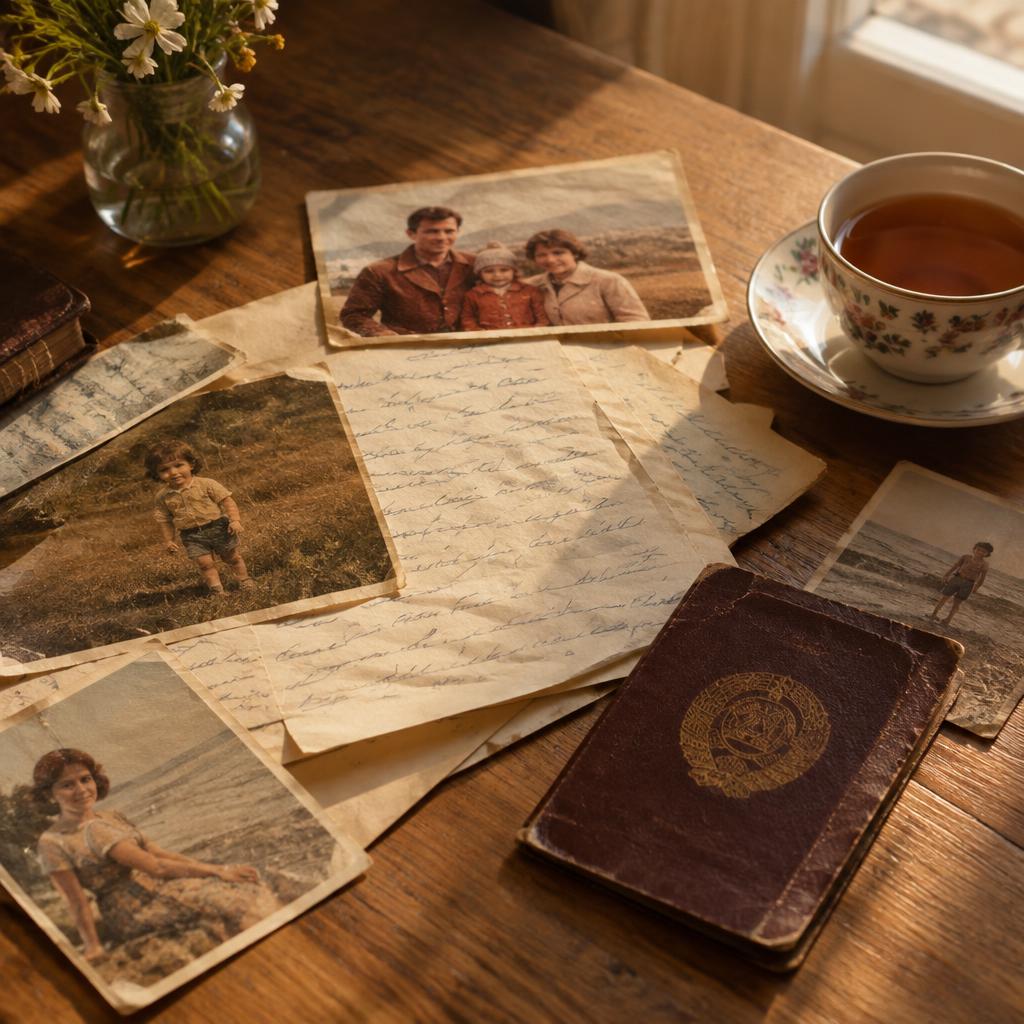
The box had been under Selin's grandmother's bed for as long as anyone could remember. Inside: photographs with scalloped edges, letters written in a looping hand, an old passport with a cracked brown cover, a bus ticket from a city that has since changed its name. For years nobody opened it. Then, one winter afternoon, Selin, seventeen, curious and a little bored, asked if she could look.
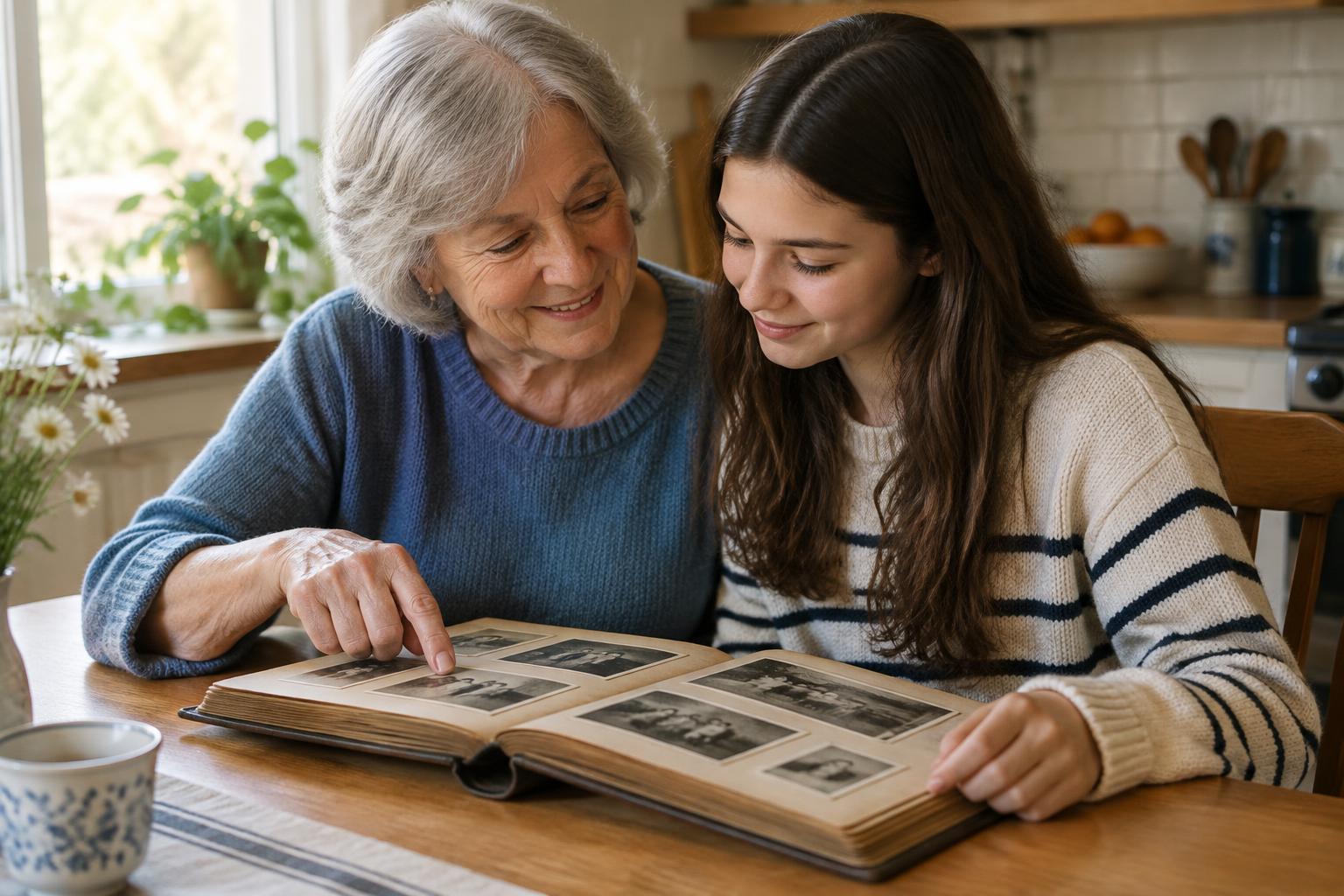
What followed was a months-long project that Selin describes as “the best school I ever went to.” She sat with her grandmother at the kitchen table, turning pages of an album, recording stories on her phone. Who was the man in the brown jacket? Why was everyone laughing in this picture? What did the letter say, and who was it for? Some answers came easily. Others took weeks, surfacing in the middle of unrelated conversations.
Across the world, many families are doing something similar. Scanning photographs, transcribing letters, recording elders before memories fade. The motivations vary: grief, curiosity, a sense of responsibility to children who will grow up far from where their grandparents were born. But the underlying impulse is the same. Heritage, in this sense, is not a museum. It is a conversation you keep having with people who are no longer in the room.
For Selin's grandmother, the process was not always easy. Some photographs brought back hard years: departures, losses, the uncertainty of arriving somewhere new with very little. But she also found herself laughing more than she expected. “I had forgotten how funny my brother was,” she says, pointing at a photo of a young man pulling a face at the camera. “You remember the sad things. It takes someone asking to bring back the rest.”
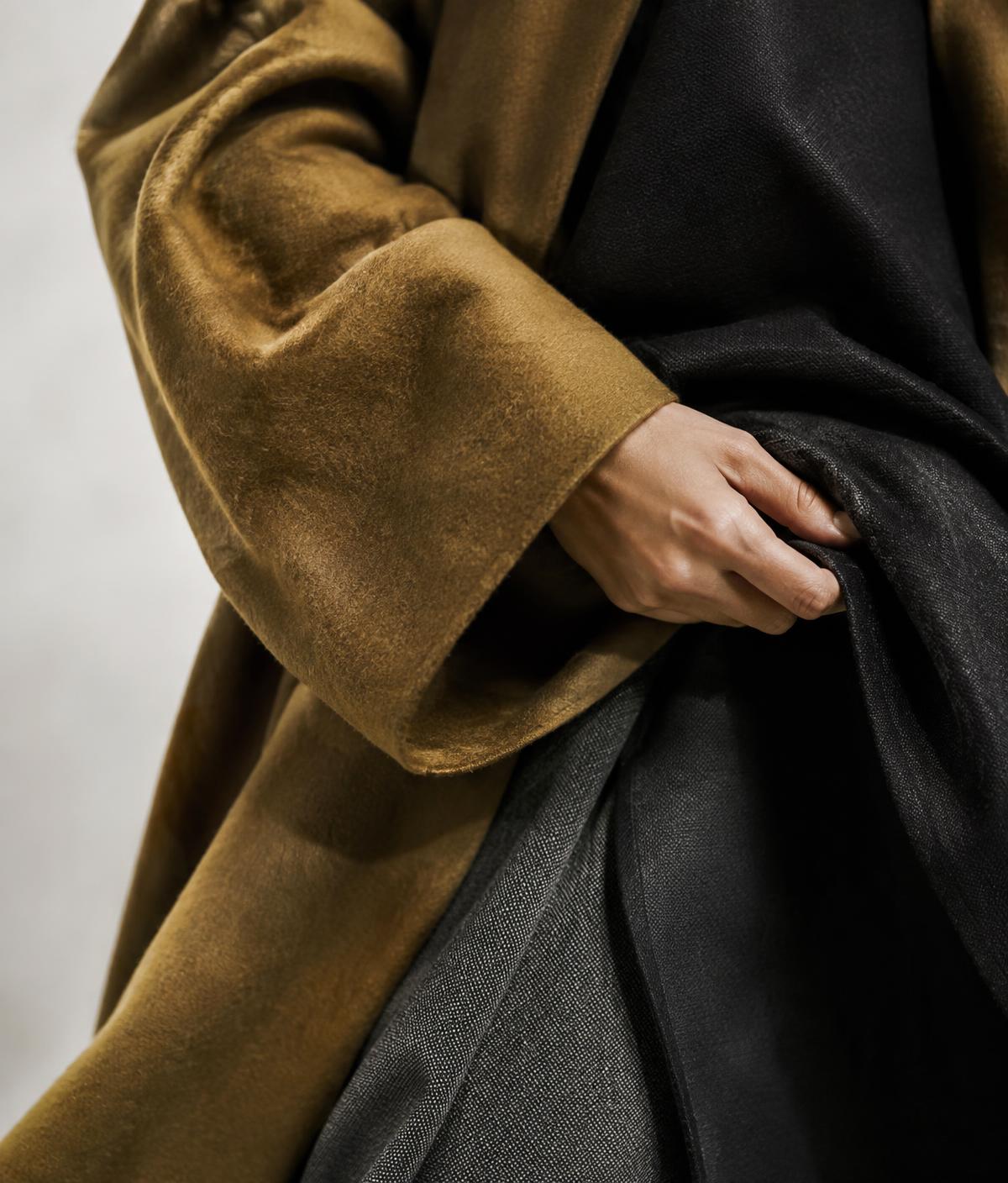
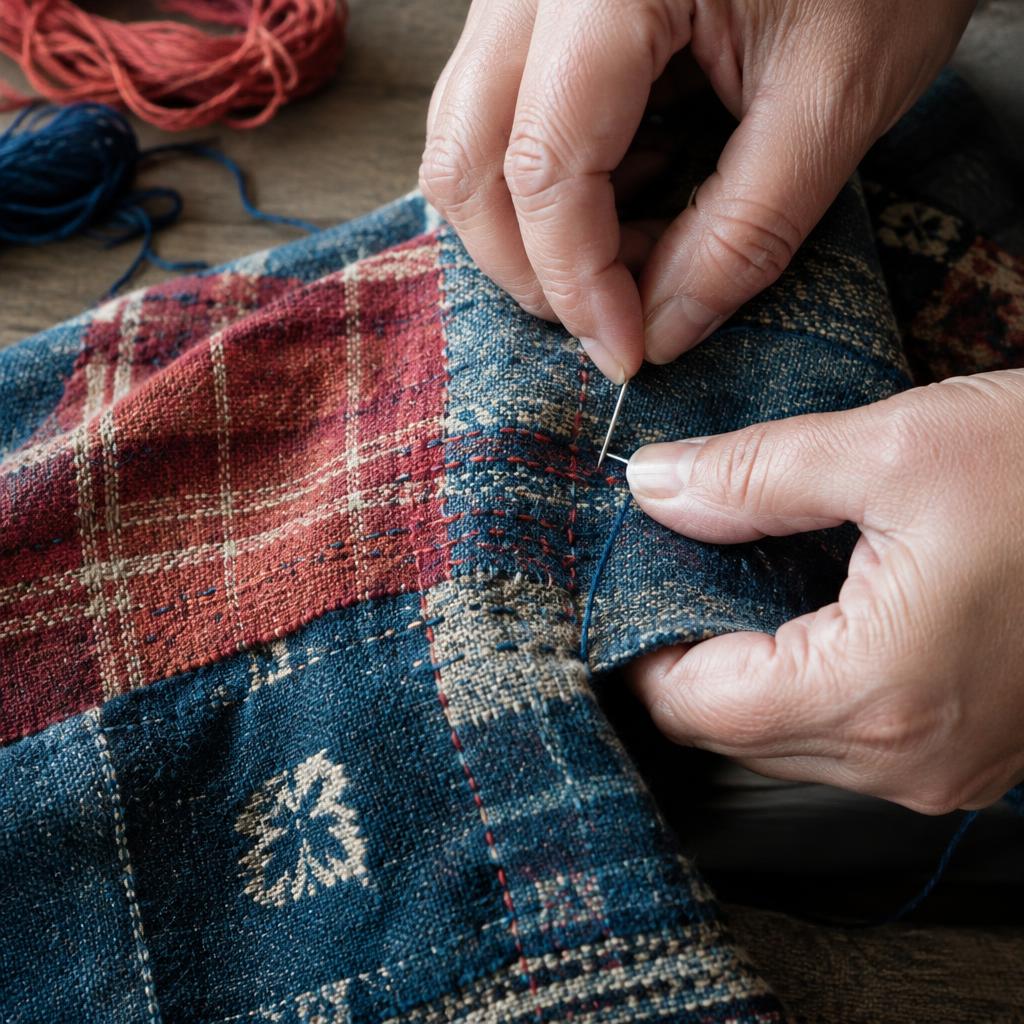
Memory lives in objects as well as images. In a small studio in Bradford, a textile conservator named Farah spends her days repairing cloth that families bring to her: wedding shawls, prayer mats, quilts stitched from the clothes of people long gone. Her approach is to mend visibly, using threads that honour the original but do not pretend to be it. “A repair is part of the story,” she says. “If you hide it, you lose the part where someone cared enough to fix it.”
Farah shows me a blanket that came to her in pieces, woven in indigo and madder red decades ago. The family wanted it whole again, but not new. She spent weeks rebuilding the worn sections with running stitches in matching threads, leaving the mends slightly visible, like handwriting in the margins. “The granddaughter cried when she picked it up,” Farah says. “She said it smelled like her grandmother's house. I did not do that. The cloth did.”
There is a temptation, when we talk about heritage, to freeze it: to treat traditions as fixed and fragile, to be protected from change. The people in this story see it differently. For them, remembering is an active, creative act. Selin plans to turn her grandmother's stories into a short film. Farah teaches mending classes to teenagers who then repair their own jeans with techniques from centuries-old textiles. Heritage, for them, is something you use.
On the last afternoon I spent with Selin and her grandmother, they found a letter neither of them had read before. It was addressed to a child not yet born. Selin read it aloud, slowly, stopping when her voice caught. It said, more or less: we hope you will be braver than us, and kinder, and that you will remember where you came from without being trapped by it. Her grandmother nodded. “That is you,” she said. “That letter was always for you.”