Fashion
What we wear speaks before we do. Three dressers on fluency, accent and the freedom of saying it your own way.
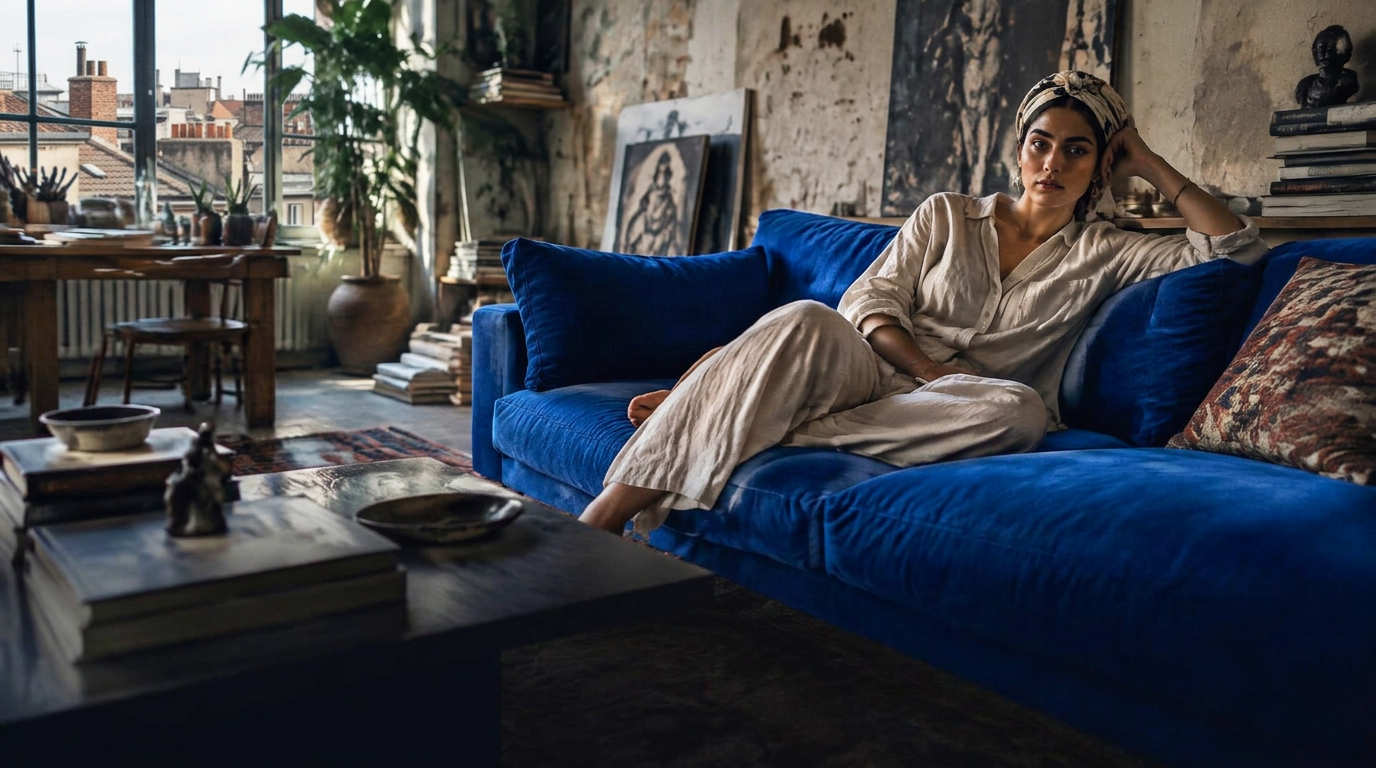
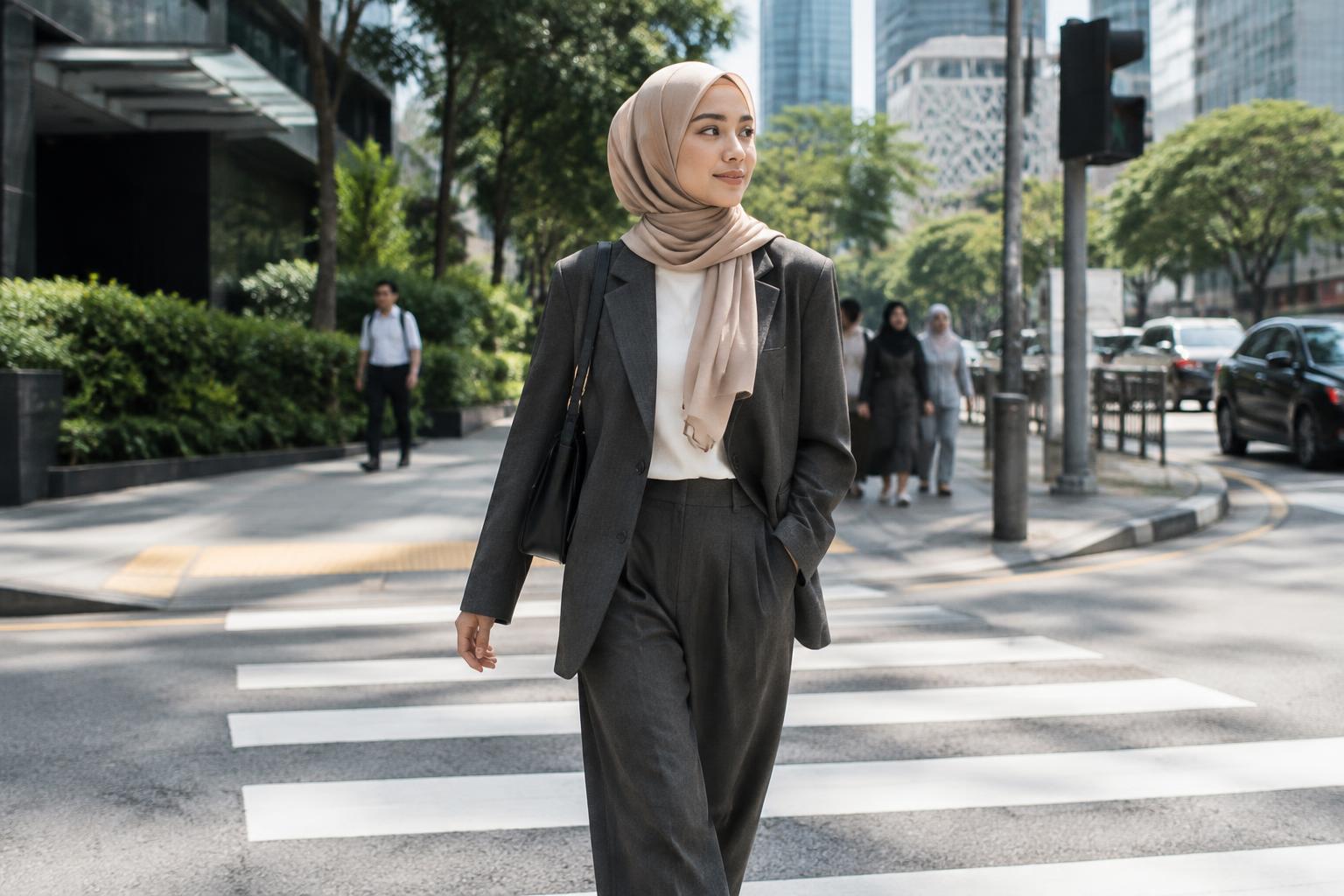
Every morning, Nur stands in front of a narrow rail in her Kuala Lumpur flat and has a small conversation with herself. Not about what is appropriate, or even what is fashionable, but about what she wants to say. A charcoal suit, loosely cut. A sand-coloured scarf that softens the shoulders. Flat shoes, because she walks everywhere. “It is like choosing words,” she says. “Some days I want to be precise. Some days I want to be warm. The clothes are how I get there before I have opened my mouth.”
The idea that dress is a language is not new. Linguists and anthropologists have been writing about it for most of a century, tracing how garments carry grammar: rules about what goes with what, which combinations are formal, which are slang. What is newer is how many people are now fluent in several dialects at once, moving between a workplace, a family table, a gallery opening and a Friday gathering without ever feeling that one version of themselves is the real one and the rest are costume.
For a generation raised between cities and cultures, that fluency is less a performance than a kind of honesty. Nur grew up with a grandmother who sewed her own baju kurung and a mother who wore trouser suits to the bank. She sees no contradiction in borrowing from both. “My grandmother taught me that a hem should fall a certain way. My mother taught me that a jacket should let you move. I still hear both of them when I get dressed.”
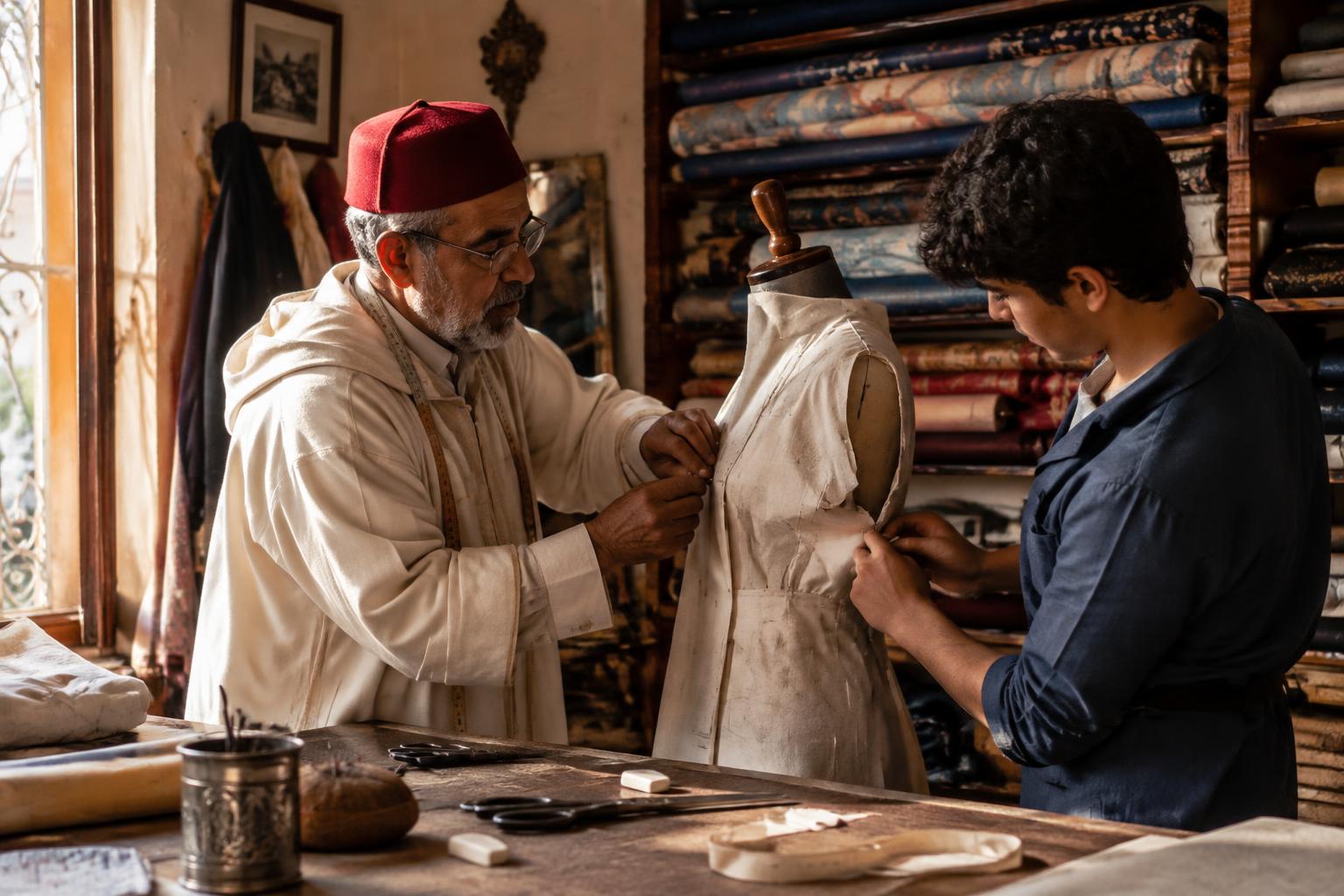
In Fez, the tailor Driss has spent forty years translating between fabric and body. His atelier sits above a narrow street, bolts of cloth stacked to the ceiling, chalk marks on every surface. His apprentice, Yassine, is twenty-two and wants to make clothes for people who have never worn a djellaba. Driss does not object. “The cloth does not care who wears it,” he says, pinning a pattern onto a dress form. “What matters is that you listen to the person and to the material. Then they tell you what the garment should be.”
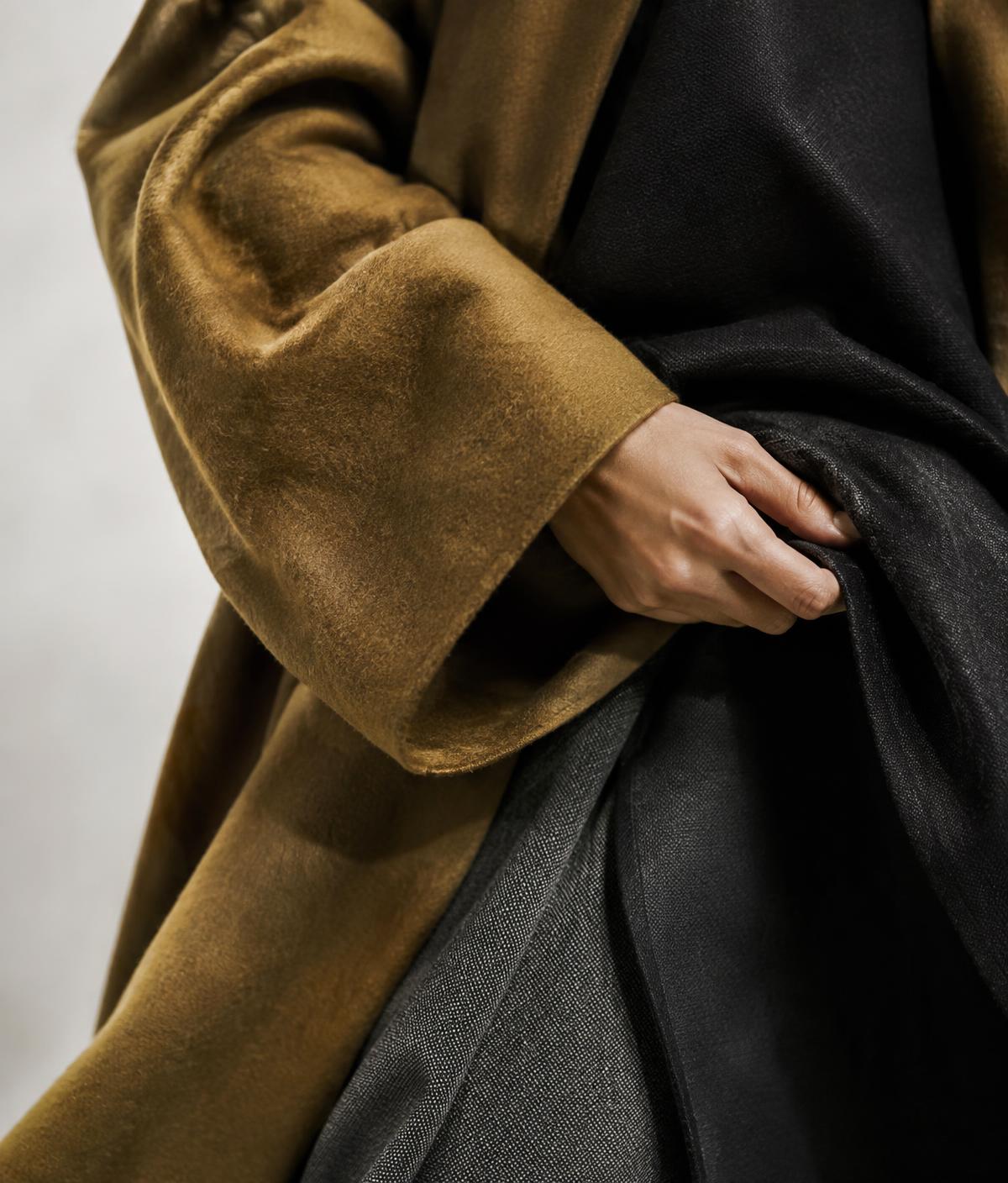
Yassine calls this the accent. Two people can wear nearly the same thing and say something completely different with it: one sleeve pushed up, a collar left open, a scarf wrapped once instead of twice. The details are where individuality lives. He shows me a coat he is working on, cut with the generous volume of a traditional robe but finished with the sharp shoulders of a Parisian overcoat. “It is not fusion,” he insists. “Fusion sounds like a restaurant. It is just how I speak.”
Of course, languages also carry misunderstandings. Several people I spoke to described the tiring experience of being read wrongly: assumed to be making a statement they never intended, or asked to explain a choice that, to them, was simply Tuesday. Leila, a designer in Manchester, has stopped explaining. “If someone sees my scarf and decides they know my politics, my marriage and my feelings about music, that is a reading problem, not a writing problem,” she laughs. “I dress for the people who can actually read.”
What unites these voices is a quiet refusal to let dress be reduced to a single message. Modesty, for those who practise it, is a value with many expressions rather than a uniform. Style is not something added on top of belief but something that grows from the same soil: attention, care, a sense of proportion. The best-dressed people in this story are not the most expensive or the most photographed. They are the ones whose clothes seem to agree with them.
Near the end of our conversation, Nur pulls a folded square of silk from a drawer. It belonged to her grandmother, a faded print of small blue flowers. She rarely wears it, she says, because she is afraid of damaging it. Then she ties it around her wrist and heads out to meet a friend. “Nobody learns a language by memorising rules,” she says at the door. “You learn it by speaking badly, then better, then like yourself. Clothes are the same. You just have to start talking.”