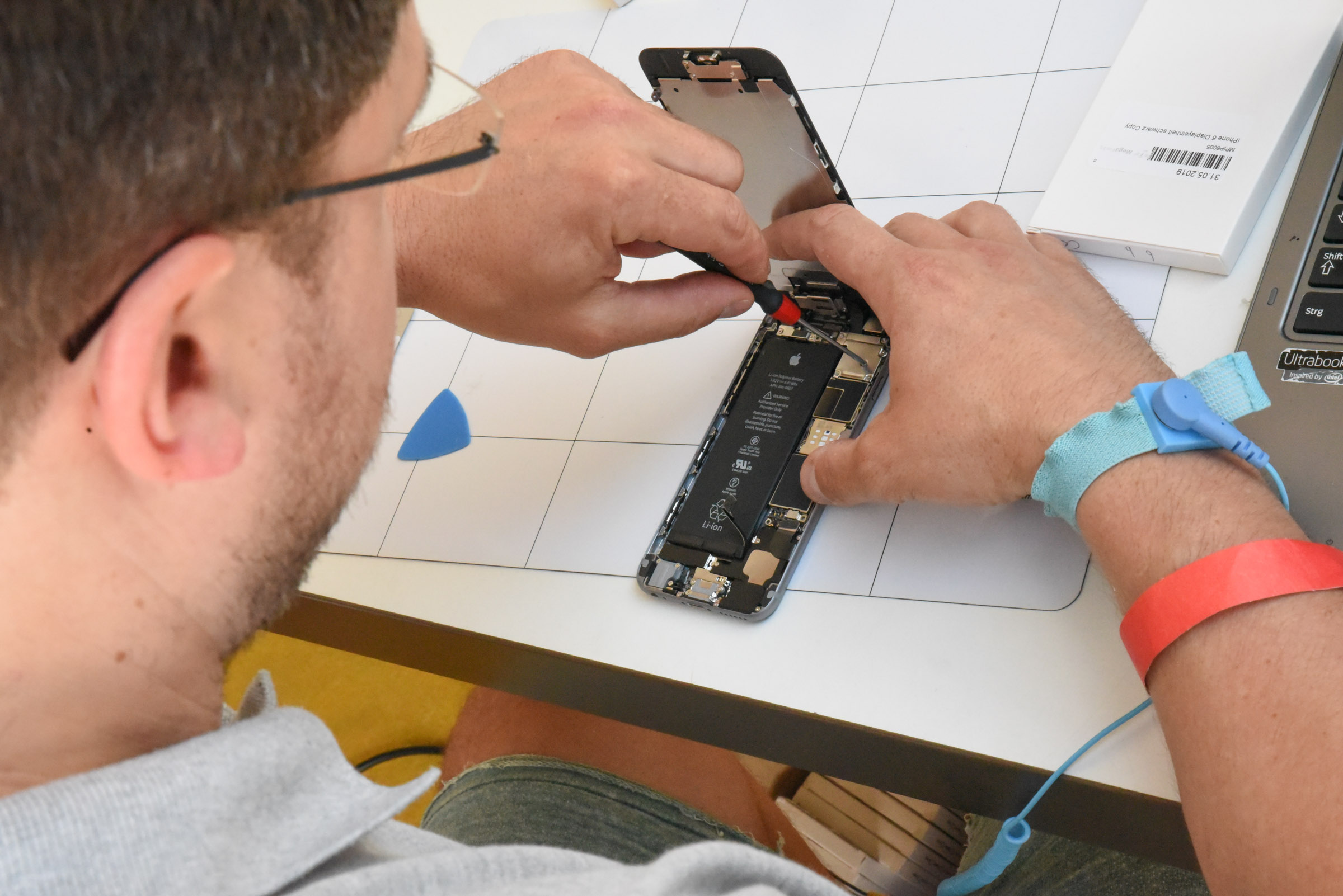
Design & stewardship
Europe’s new repair rules turn a practical question into a design principle: what would it mean to expect objects to remain useful?
On 31 July 2026, the deadline arrived for European Union member states to transpose the bloc’s right-to-repair directive into national law. The rules require manufacturers to offer repair for covered categories of technically repairable goods at a reasonable price and within a reasonable time. When a consumer chooses repair during the seller’s liability period, the legal guarantee is extended by at least twelve months.
The limits are as important as the promise. This is not a global right, it does not cover every possession, and it does not make every repair free. National implementation can vary. A planned European repair platform is expected in 2027; it is not yet a live service that consumers can rely on today.
The covered categories are tied to products for which repairability requirements already exist under European rules, including certain household appliances and electronics. That bounded scope avoids a sweeping promise the law does not make. It also creates a practical test: whether rights written for specific products can help move wider expectations about durability, access and responsibility. Clear information about the repair obligation will matter as much as the principle, because a right that is difficult to understand or invoke can remain largely theoretical.