Culture & data
A new UNESCO consultation asks how cultural work becomes visible in statistics without reducing meaning to a spreadsheet.
On 23 September 2026, the UNESCO Institute for Statistics opened a global consultation on the first draft of its Cultural and Creative Ecosystem Indicators Framework, running until 16 October. The draft builds on UNESCO’s 2025 Framework for Cultural Statistics and is intended to lead toward a full methodological manual in 2027.
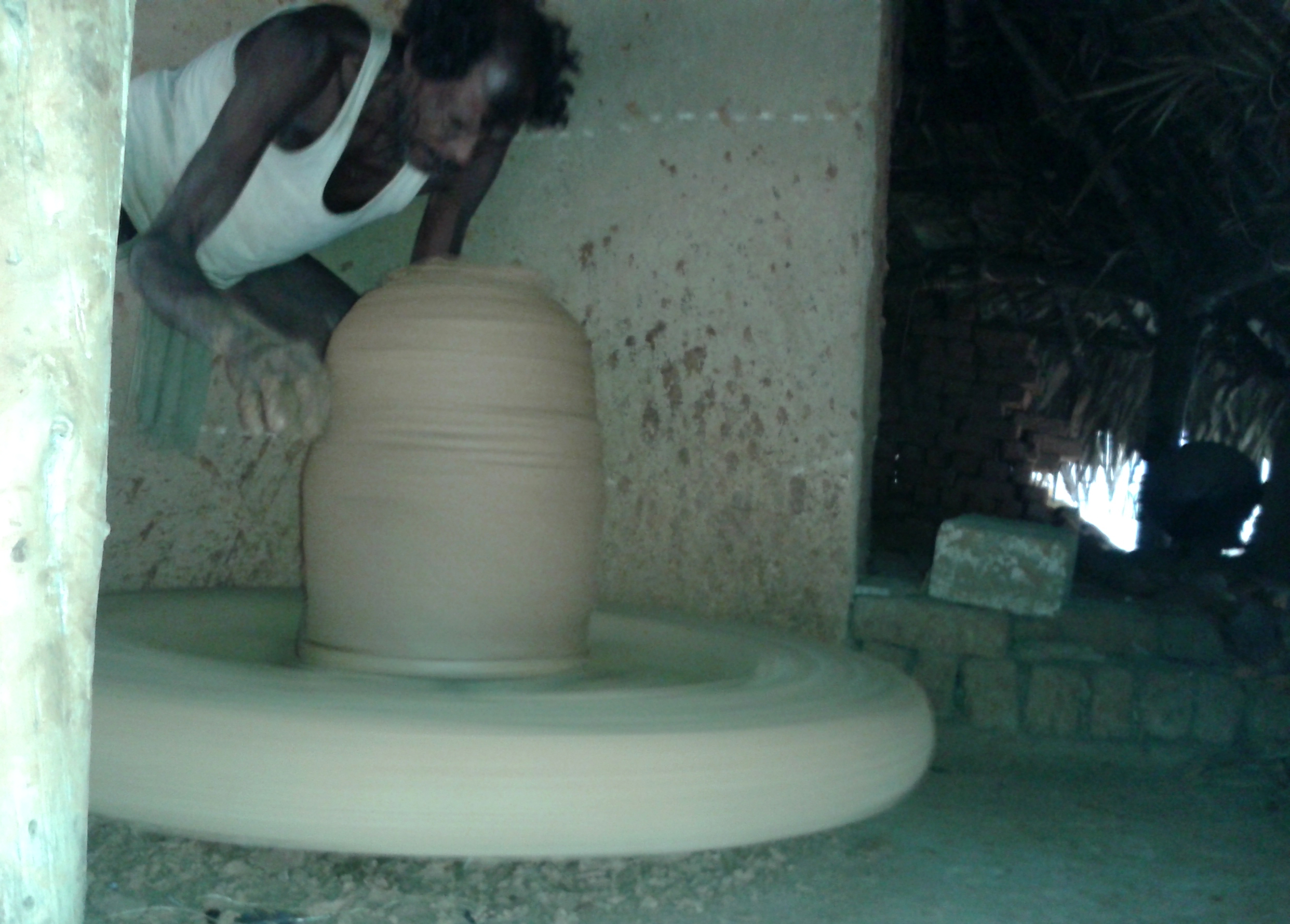
Those nouns—framework, indicators, methodology—sound distant from a rehearsal room, a potter’s kiln or a community archive. Yet categories influence what governments can see. What can be counted can enter budgets, labour policy and public debate. What remains invisible is easier to treat as incidental.
The draft arrives while creative work is being reshaped by digital platforms, artificial intelligence and hybrid forms of participation. A statistical framework must recognise change without allowing the newest distribution channel to define culture itself. It must also be usable across places with very different institutions, labour markets and traditions of public support. That tension makes consultation more than a procedural pause: it is where the assumptions inside each category can be challenged before they harden into routine public reporting.