Architecture
Smiljan Radić Clarke’s 2026 Pritzker recognition honours an architecture where fragility, memory and doubt remain productive.
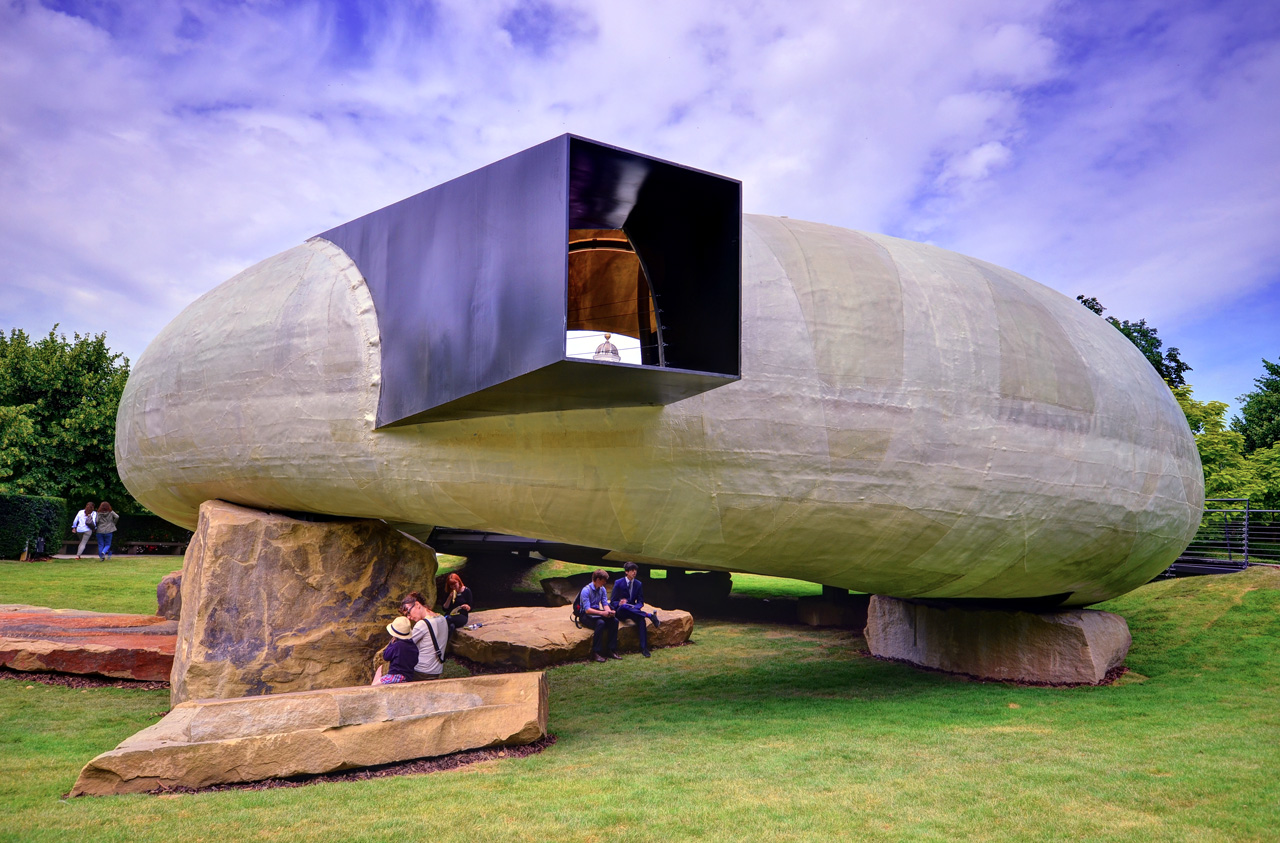
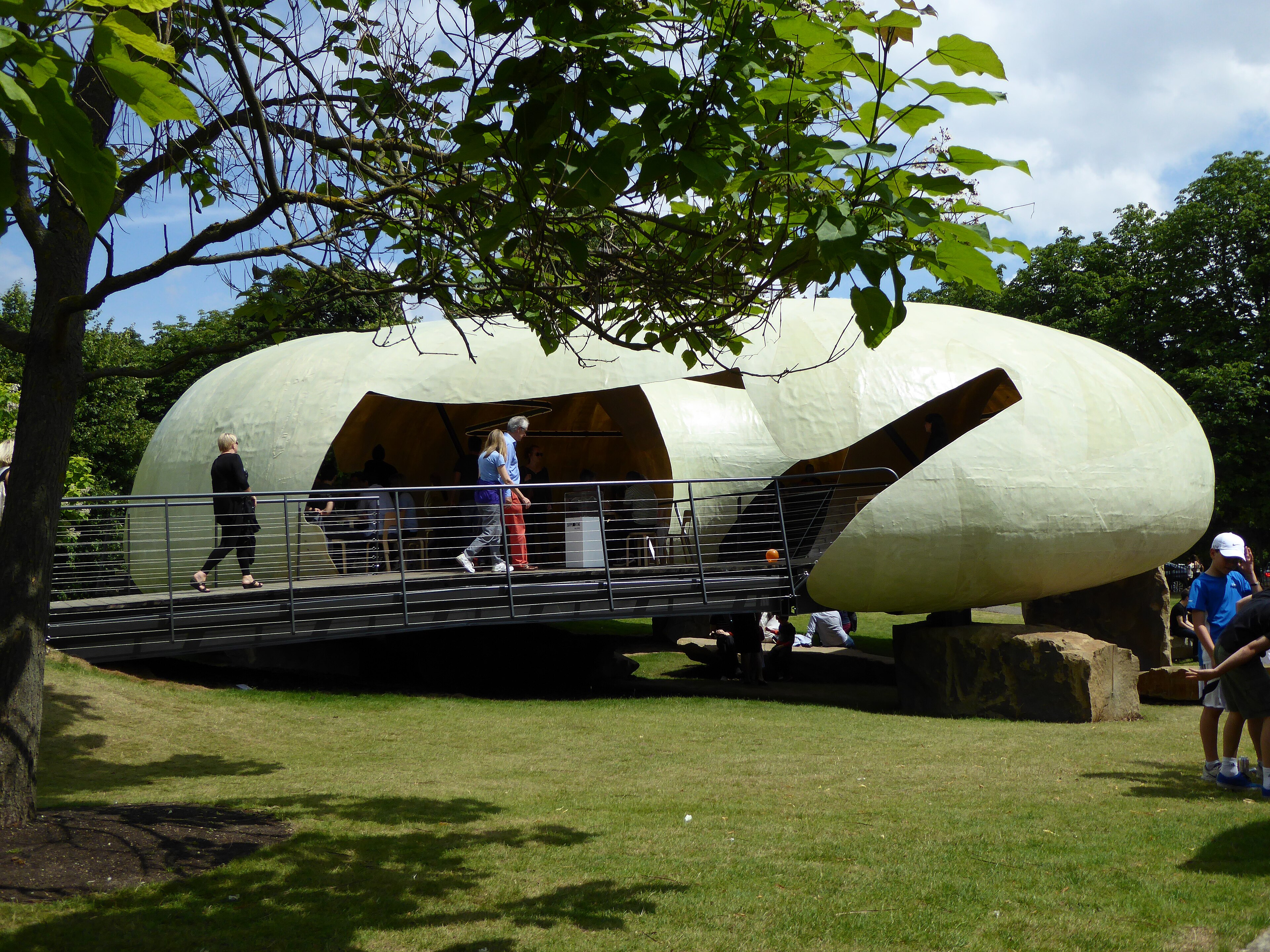
When Smiljan Radić Clarke was named the 2026 Pritzker Architecture Prize laureate, the jury placed uncertainty near the centre of its account of his work. The award is new; several buildings that help explain it are not. His 2014 Serpentine Pavilion in London set a translucent fibreglass shell upon large stones. NAVE, opened in Santiago in 2015, adaptively reused a damaged historic residential building as a performance space. Radić founded Fundación de Arquitectura Frágil in 2017.
Keeping those dates clear prevents an award from flattening a long practice into a sudden discovery. It also reveals a persistent question: how can architecture offer shelter without pretending that permanence, identity or use will remain fixed?
The jury’s language of fragility does not describe weakness for its own sake. It points toward structures that acknowledge contingency: a surface that records weather, a room that can accept an unforeseen performance, a ruin that remains legible inside a new use. This is not a formula to copy. It is an attitude toward the limits of control, expressed through material decisions rather than slogans.