Current location

–°Loading weather

High –° · Low –°– km/h

Approximate location is used for weather and prayer times. Change location anytime.

Today

—

Next: Nothing planned

Next prayer

—--:--

Fajr --:-- · Dhuhr --:-- · Asr --:-- · Maghrib --:-- · Isha --:--

Muslim World League

Meal prep

This week's meals

Plan, prep and shop in one place

Powered by Paro

Saved places

No places yet

Save mosques, food and stays

Kept on this device

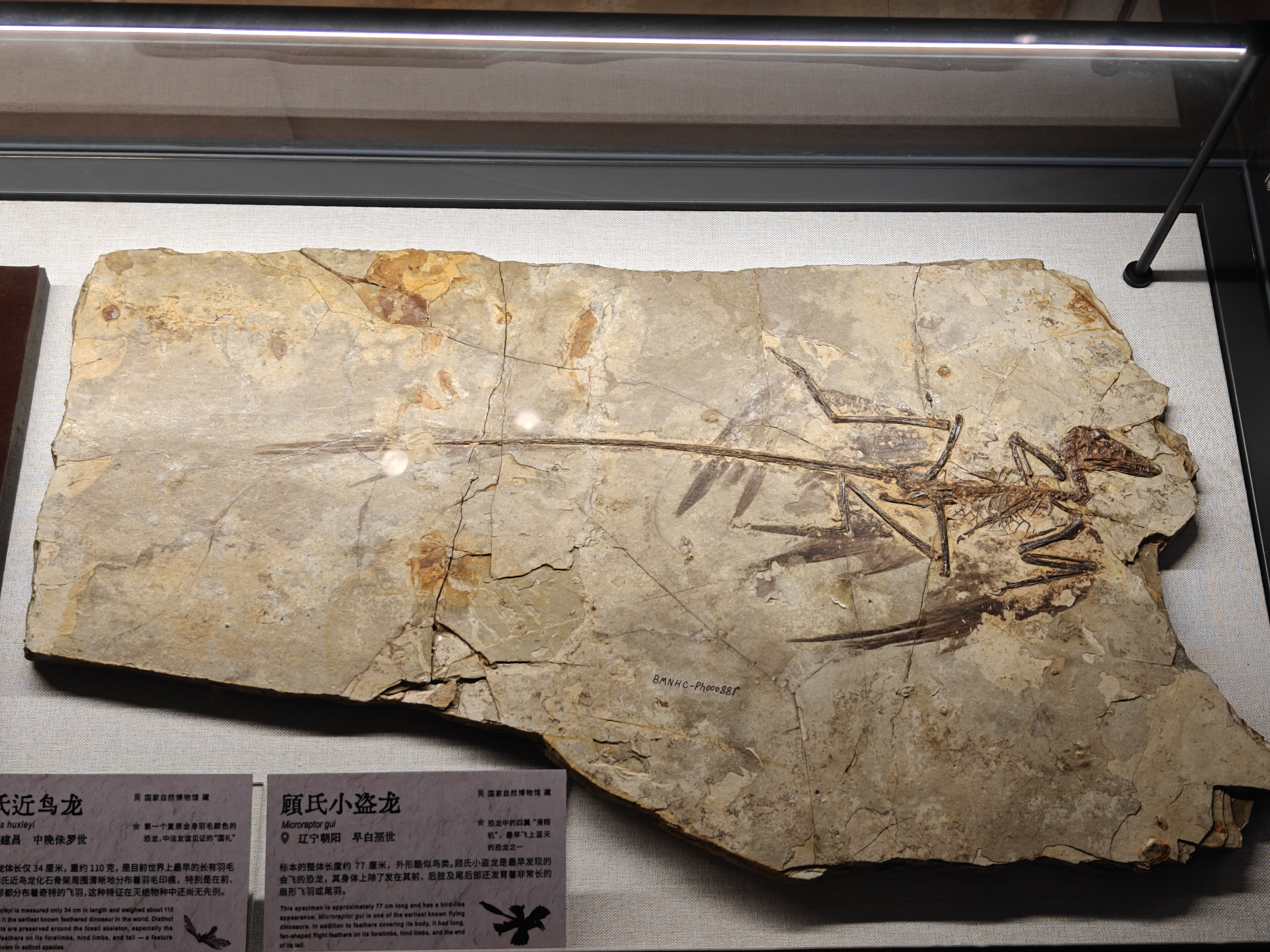
Microraptor gui specimen BMNHC-Ph000881 displayed at Shanghai Natural History Museum

Ideas

Flight Was Never a Straight Line

Context photograph: Microraptor gui specimen BMNHC-Ph000881; not Norellraptor barsboldi.

Microraptor gui specimen BMNHC-Ph000881 at Shanghai Natural History Museum, photographed in 2025. Contextual comparative specimen; this is not Norellraptor barsboldi. Photo: 纳瓦拉的亨利 · CC BY-SA 4.0 · Cropped for layout.

Evolution

A newly described microraptorine adds detail to a branching history in which flight-related structures assembled more than one way.

Muslim Edit3 min readEditorial analysis

On 29 September 2026, Xuri Wang and colleagues published a new open-access study in Nature Communications describing Norellraptor barsboldi, an exceptionally preserved microraptorine dinosaur specimen from Liaoning, China. Their comparative and bone-histology analyses examine how flight-related adaptations accumulated within microraptorines, a group of small feathered non-avian dinosaurs.

The paper argues for a stepwise assembly of aerial adaptations in that lineage. It identifies substantial convergence with the bird lineage while reconstructing different sequences of flight-related novelties. That supports multiple, independent selective regimes rather than one shared developmental pattern. It does not make Norellraptor a direct ancestor of birds, nor settle every debate about dinosaur flight.

The authors report that roughly thirty per cent of the microraptorine traits identified in their analysis were acquired convergently by avialans. A percentage can sound like a verdict, but here it describes a result within a particular dataset and evolutionary reconstruction. Its importance lies in the pattern it helps test, not in turning a complex history into one permanent number. Comparative conclusions remain open to revision as new fossils alter the available sample and the relationships inferred from it.
From this editorial

“Evolution does not sketch a destination and work backwards. It leaves branches, convergences and experiments in stone.”

01

A mosaic, not a checklist

Flight requires many things to work together: feathers with particular shapes, limbs able to support movement through air, muscles, joints, balance and growth patterns. Fossils rarely deliver that system as a neat package. They preserve a mosaic, and researchers compare traits across related animals to infer when different elements appeared.

Norellraptor matters because its preservation adds anatomical and histological evidence to that comparison. The study places it among later-diverging microraptorines and finds that features associated with aerial behaviour did not arrive in the same order as comparable features in avialans, the lineage that includes birds.

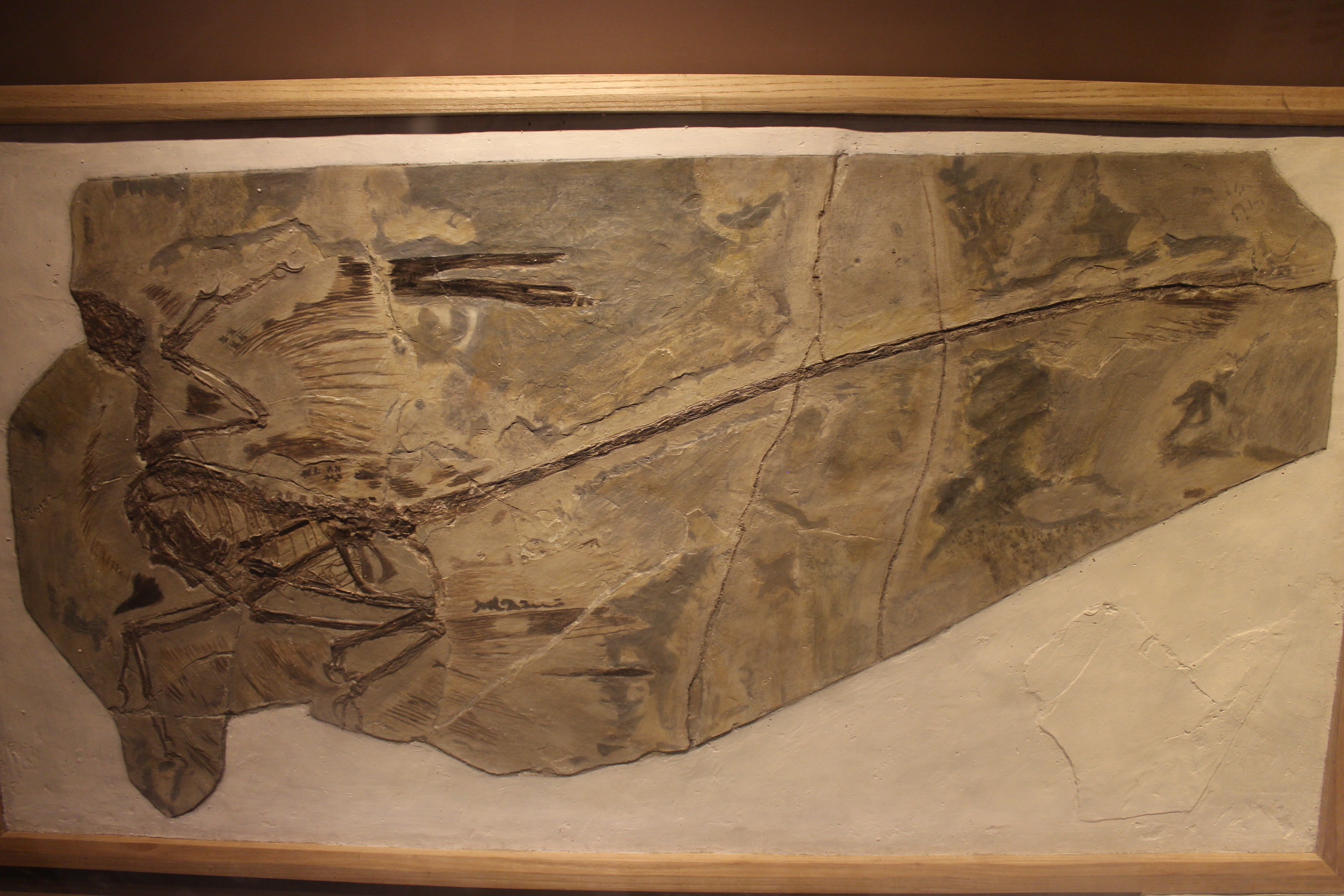
The holotype fossil of Microraptor gui displayed at the Paleozoological Museum of China
Holotype of Microraptor gui at the Paleozoological Museum of China, photographed in 2019. Contextual comparative specimen; this is not Norellraptor barsboldi. Photo: Morosaurus millenii · CC BY-SA 4.0 · Cropped for layout.

02

Convergence changes the story

Convergent evolution occurs when different lineages acquire similar traits under comparable pressures. Similarity can therefore reveal shared problems without proving a single inherited solution. In this study, the overlap between microraptorine and avialan features sits beside different reconstructed sequences and possible differences in limb growth.

This makes the history of flight more interesting, not less coherent. The evidence suggests that paravian bodies explored aerial possibilities through distinct combinations. Terms such as experiment are useful metaphors only if we remember that evolution has no foresight, intention or planned destination.

03

Branches without a finish line

Popular diagrams often turn evolution into an escalator: ground animal, glider, bird. A branching tree is less tidy. Lineages can acquire similar capacities independently; traits can change function; successful forms can disappear. A newly described species modifies that map without becoming its inevitable centre.

Norellraptor offers a sharper view of one branch. Future specimens and analyses may revise the relationships or functional interpretations. For now, the study is a reminder that flight was assembled through histories plural enough to resist a straight line—and that uncertainty is part of responsible reconstruction, not a flaw in it.

Sources

Primary references used for the factual reporting in this editorial analysis.

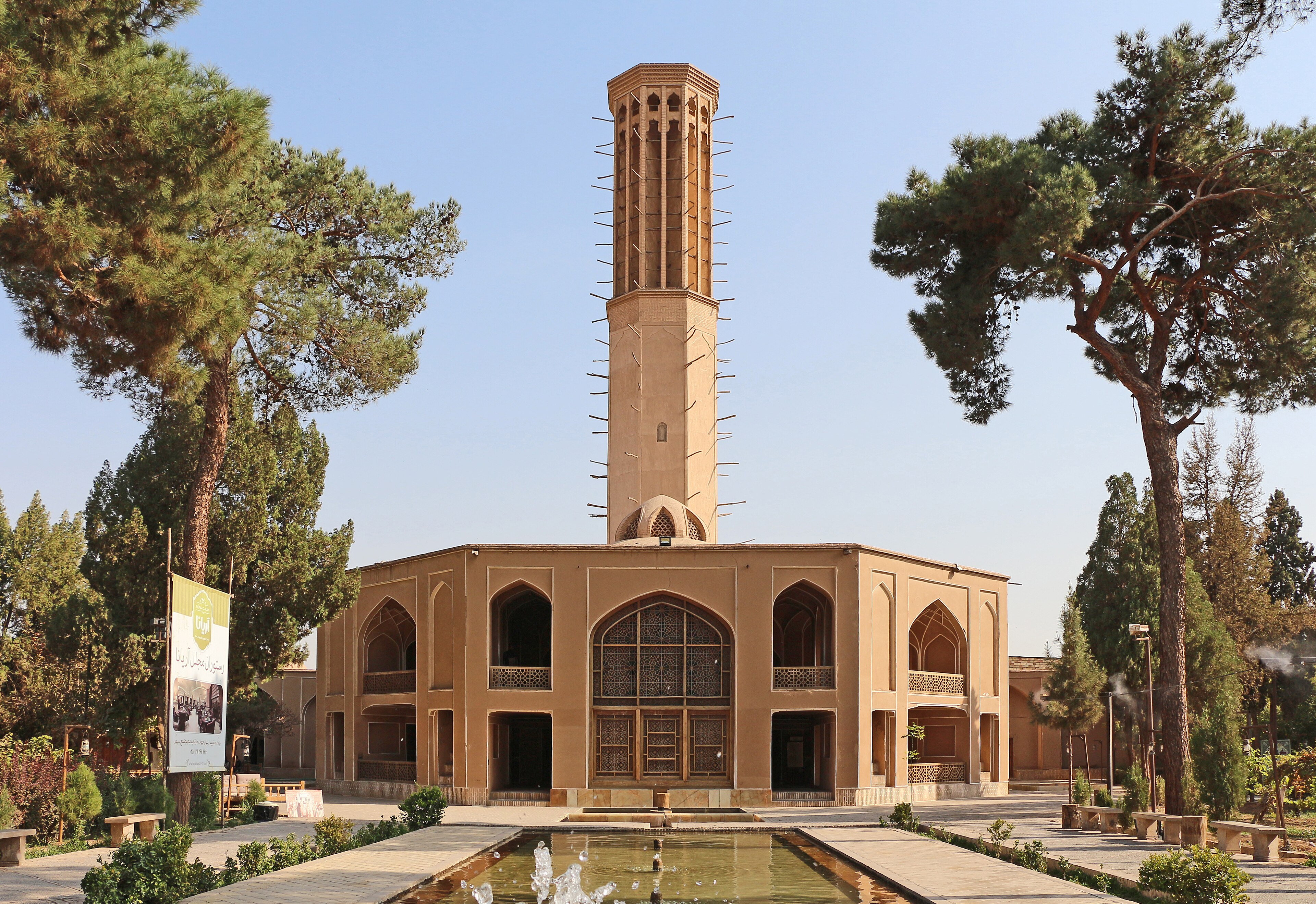
The pavilion and windcatcher at Dolat Abad Garden in Yazd, Iran

Architecture & climate

The Future of Cities Is Already in the Shade

Dolat Abad Garden pavilion and windcatcher, Yazd, photographed in 2016. Contextual archive image; it does not depict the 2026 AIA programme. Photo: Bernard Gagnon · CC BY-SA 4.0 · Cropped for layout.

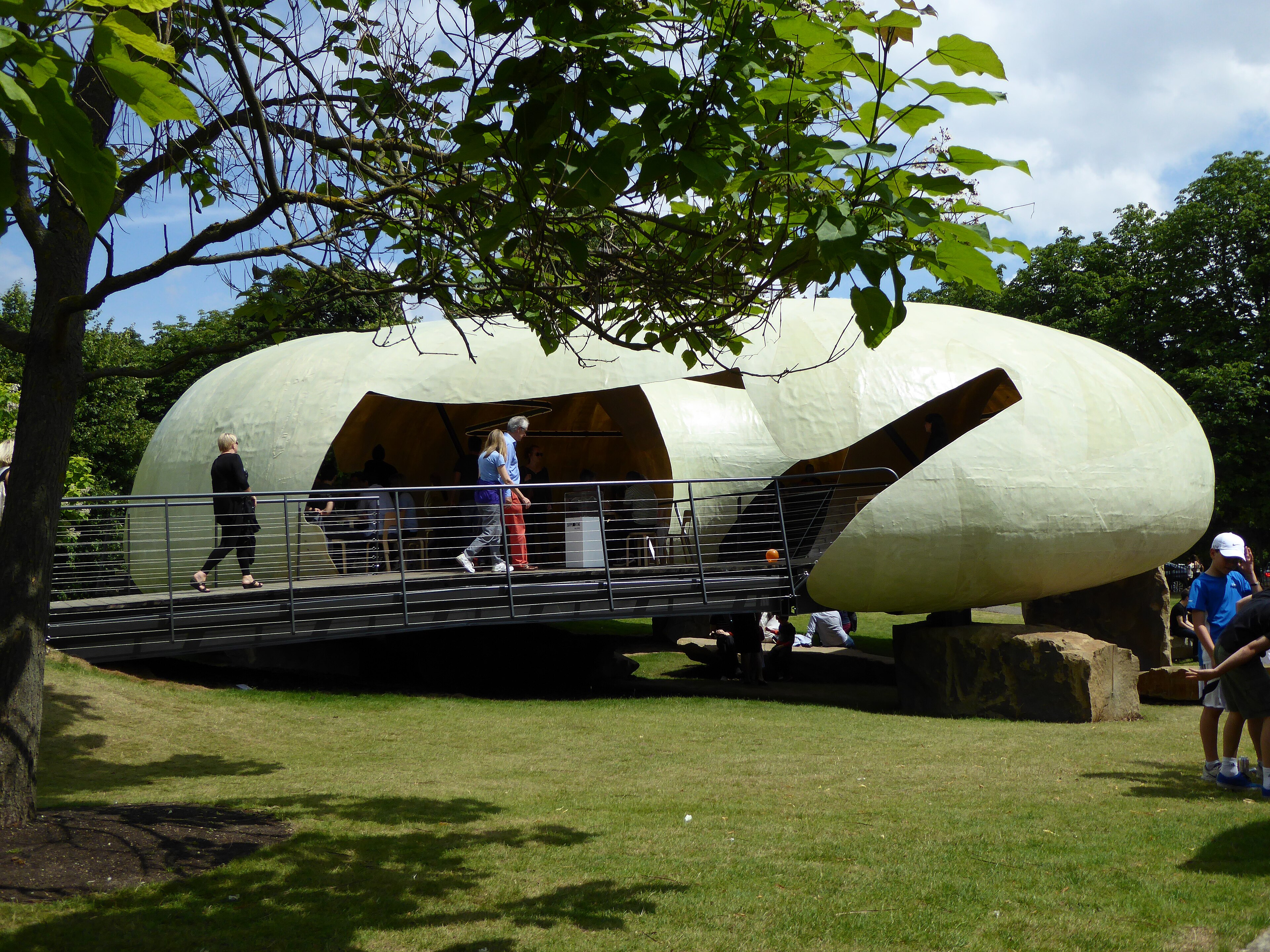
Smiljan Radić's translucent 2014 Serpentine Pavilion resting on large stones in Kensington Gardens

Architecture

The Architect Who Makes Room for Uncertainty

Smiljan Radić’s Serpentine Pavilion in London, July 2014. Photo: Ardfern · CC BY-SA 3.0 · Cropped for layout.

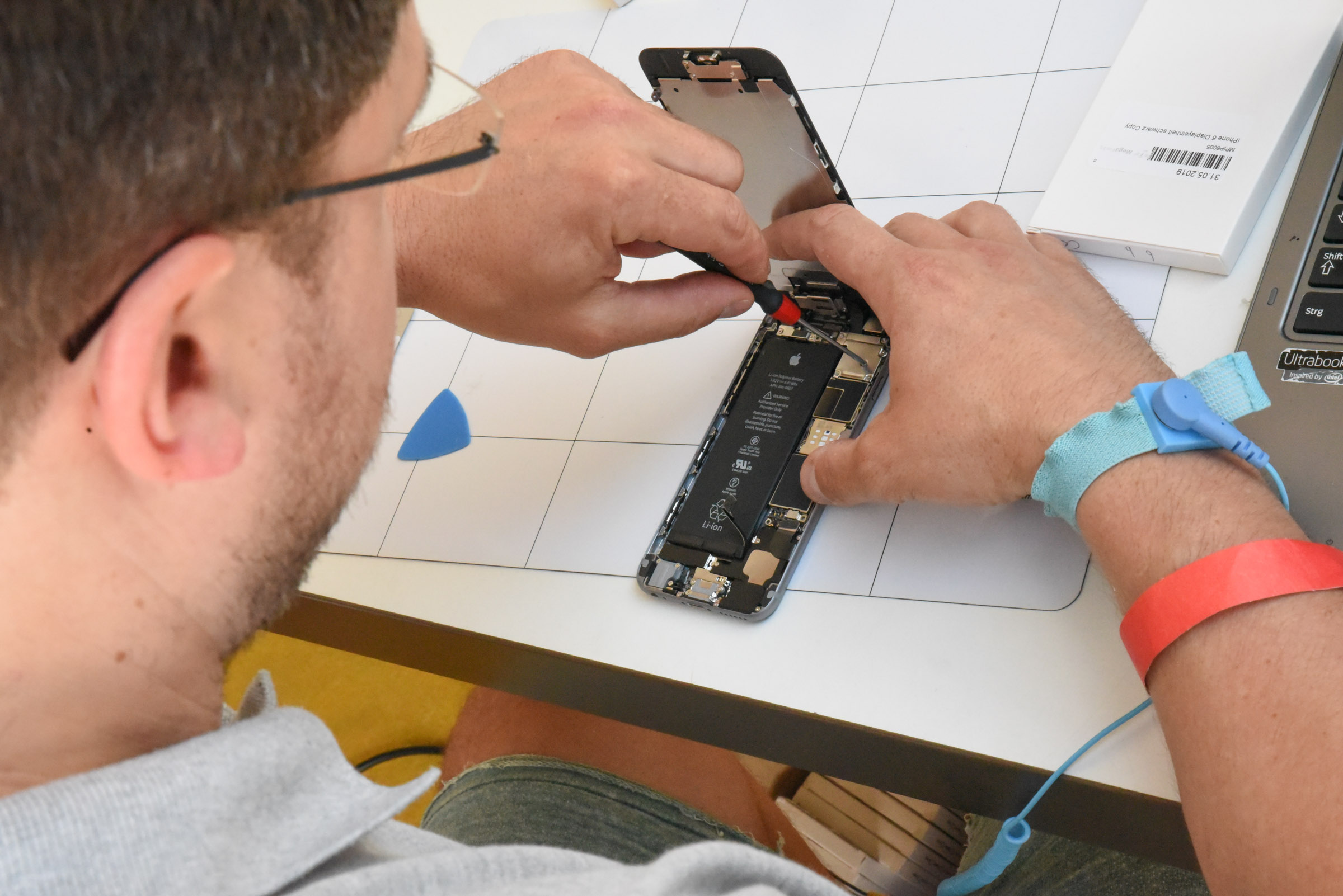
A participant repairing a small electronic device at Repair Lab in Hamburg

Design & stewardship

The Second Life of Things

Hands-on electronics repair at Repair Lab during Hamburg’s Sommer des Wissens, 2019. Contextual archive image; not a 2026 implementation event. Photo: Alena Zielinski / Redaktion NdW · CC BY 2.0 · Cropped for layout.