
Identity
On inheriting a name across generations, languages and borders — and choosing how to say it.
Names travel. They cross oceans in passports, are shortened on school registers, and are mispronounced by well-meaning teachers until the child gives up correcting them. For many families, a name is the most portable piece of heritage there is.
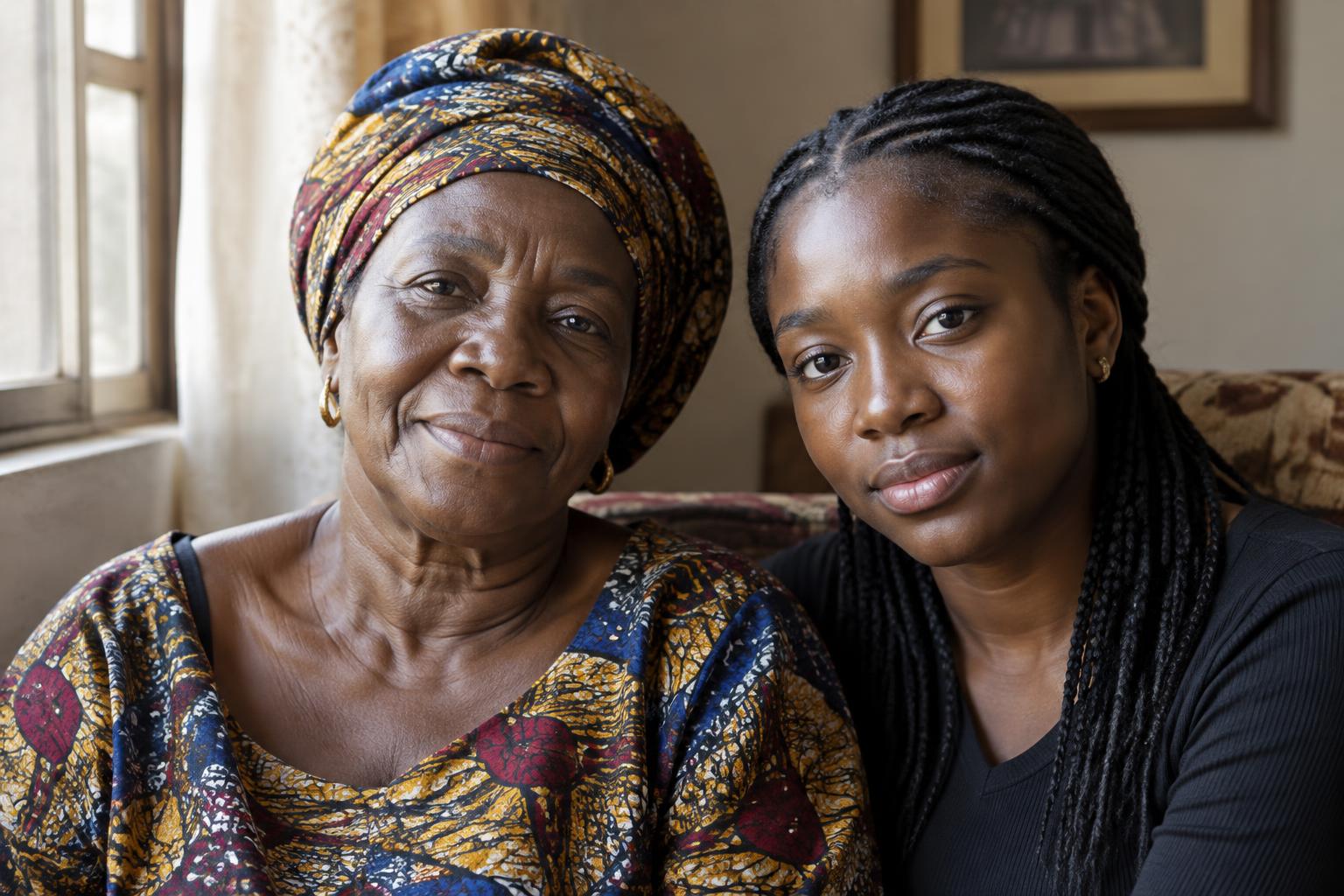
Grandparents often chose names for their meaning: a quality hoped for, a relative honoured, a prayer folded into a few syllables. Grandchildren sometimes carry those names into rooms where nobody knows the meaning — and must decide whether to explain it.
Some adapt, offering a simpler version for strangers and keeping the full name for home. Others reclaim the original spelling in adulthood, a quiet act of return. Neither choice is more authentic; both are ways of living between languages.
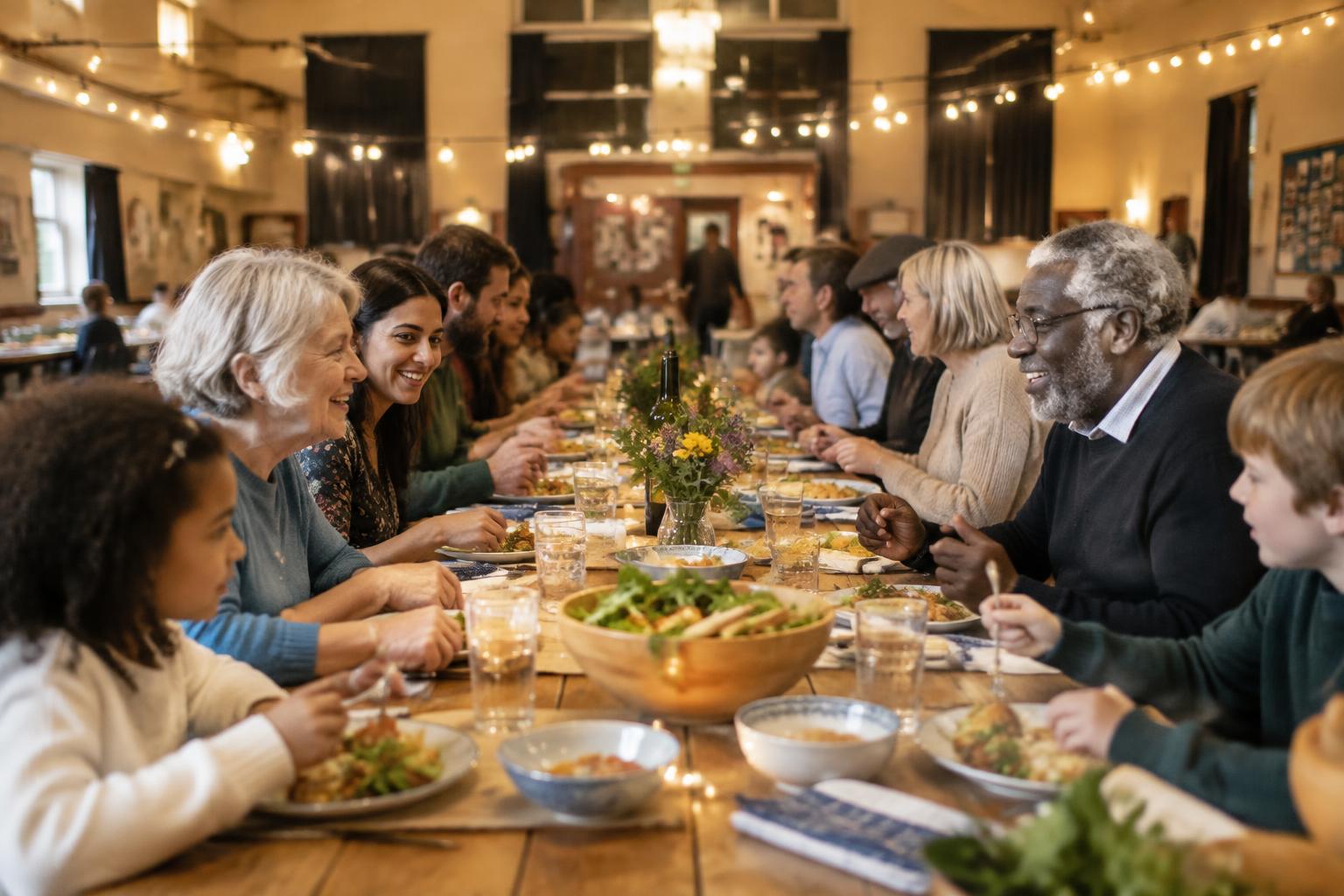
What emerges from conversations across generations is less a story of loss than of negotiation. Names stretch to fit new places, and families find new ways to keep their meaning alive — in stories told at dinner, in the way an elder still says it best.