

Community
The corner shop as a quiet civic institution — and the shopkeepers who know everyone's name.
Every neighbourhood has one: the shop that opens before anyone else is awake and closes after everyone has gone home. Its shelves carry bread and batteries, but its real inventory is attention — who looked tired this week, whose mother is unwell, which child has grown taller.
Shopkeepers rarely describe their work in civic terms. They talk about deliveries, margins and the price of sugar. Yet spend an hour at the counter and a different picture forms: a pensioner is walked to the door, a teenager is told off gently for skipping school, a newcomer is pointed toward the nearest mosque and the best dentist.
This is a kind of care that no institution designs. It grows from repetition — the same faces, the same greetings, year after year — until the shop becomes a reference point people navigate by, even when they buy nothing at all.
It is also fragile. Rents rise, delivery apps promise convenience, and the long hours are rarely passed on to the next generation willingly. When these shops close, the loss is felt in ways that are hard to measure: fewer eyes on the street, fewer small conversations, fewer places where you are simply known.
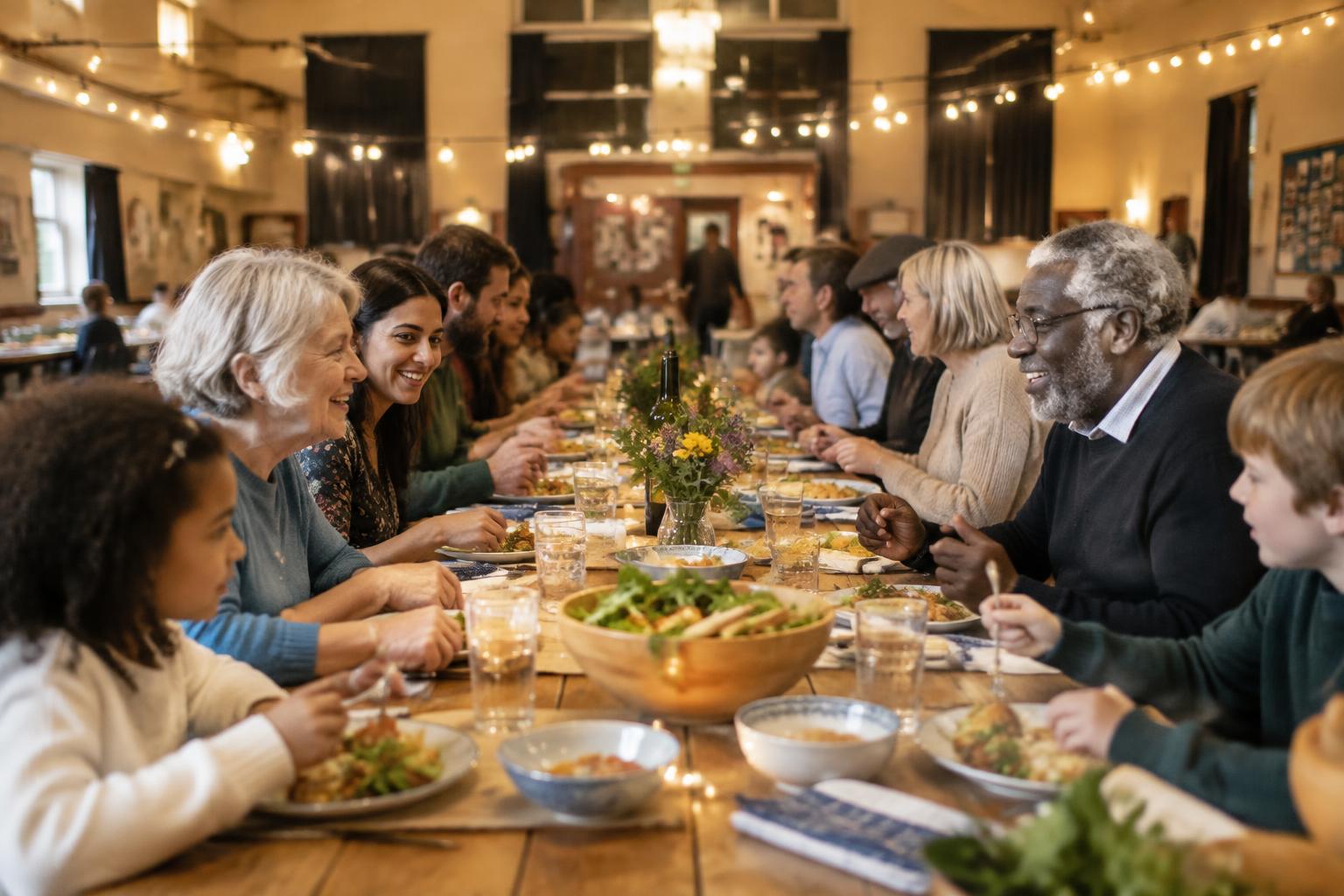
Perhaps the lesson is not to romanticise the corner shop but to notice what it does, and to ask how other spaces — libraries, community halls, the mosque courtyard — might offer the same everyday recognition.