
Science history
An instrument for reading the sky is teaching a new generation about observation.
Muslim Edit6 min read
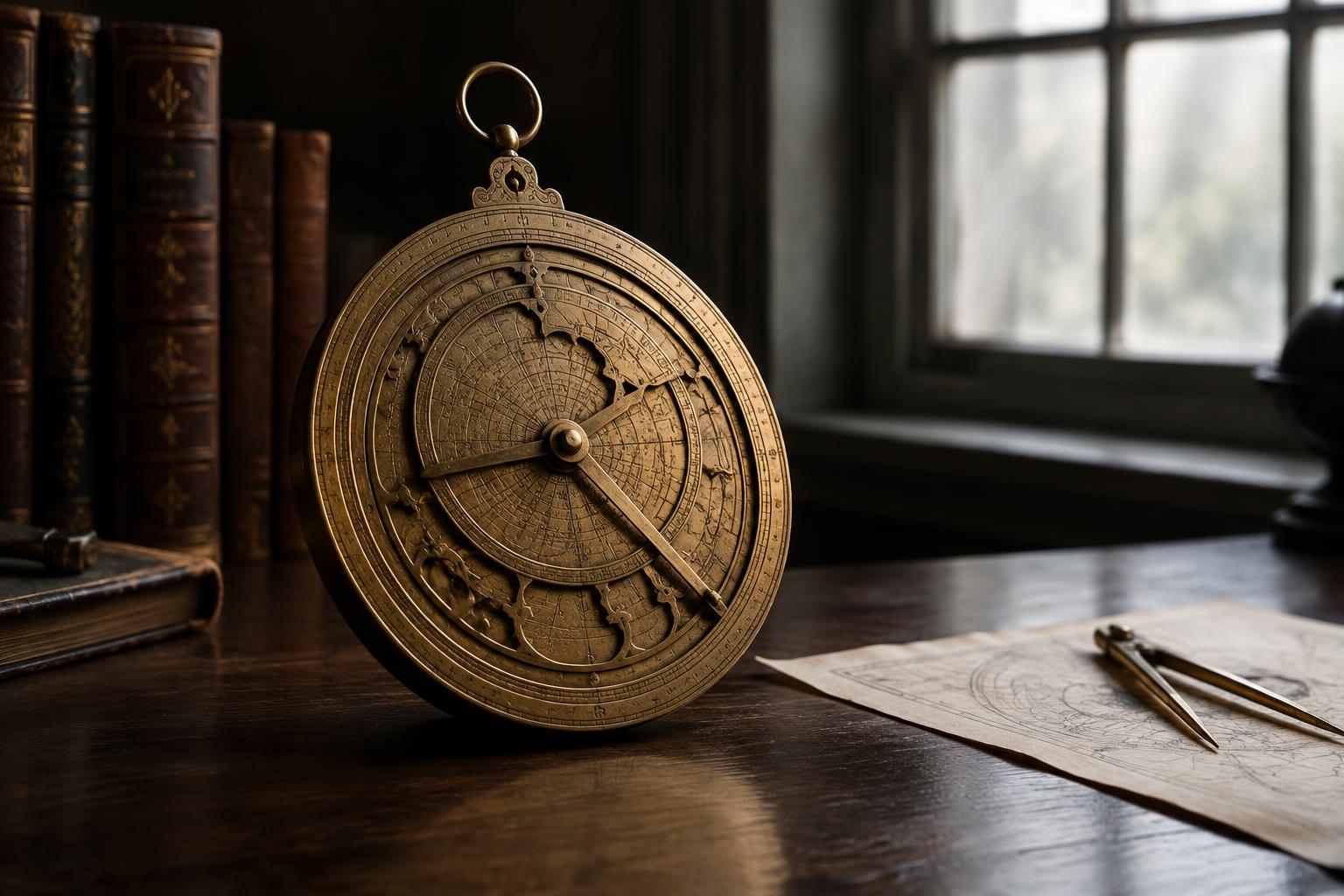
The astrolabe was one of the most versatile instruments of the pre-modern world. With it, users could tell the time, find the positions of stars and, in many contexts, help determine prayer times and direction.
Scholars and craftspeople across many regions refined its design, producing instruments that were both precise tools and objects of beauty.
Today, museums and educators are using astrolabes — originals and replicas — to teach students about observation, geometry and the long history of science.
Holding one, students often describe a new respect for the people who built them: careful observers who made sense of the sky with brass, patience and mathematics.